

How to ride:
An animated learning experience
How to Ride is a visual education system that helps first-time Lime riders learn how to safely operate and park Lime vehicles.
Role
Designer
Responsibilities
Illustration · Animation · Storyboarding · Product design collaboration
Duration
9 months

Context
Every day, thousands of people encounter a Lime scooter or e-bike for the first time.
Research revealed that many prospective riders weren't avoiding Lime because of cost or accessibility—they simply didn't know how the vehicles worked. Existing riders also struggled with parking requirements and local riding rules.
To help riders build confidence before their first trip, we created How to Ride, an educational experience embedded directly into the Lime app.
Background
How might we teach safe riding behaviors without asking riders to read a manual?
The solution needed to be:
Fast to understand
Universally accessible
Easy to replicate in the real world
Research insights
A. First-time riders lacked confidence
Research revealed that many prospective users avoided Lime entirely because they didn't know how the vehicles worked. Common concerns included:
-

How do I start riding?
-
Where should I stand?
-
How do I brake?
-

Is it difficult?
-
How do I start riding?
-
Where should I stand?
-
How do I brake?
-
Is it difficult?
B. Existing riders needed clearer safety guidance
Current riders often struggled with:
-

Parking etiquette
-

Road-sharing rules
-

Safe riding behaviors
-

Ride completion requirements
-

Parking etiquette
-
Road-sharing rules
-

Safe riding behaviors
-

Ride completion requirements
Why animation?
Riding is a physical behavior.
Reading about where to place your feet is far less effective than seeing it demonstrated.
Animation allowed us to demonstrate actions visually, helping riders quickly understand behaviors they could replicate in the real world.
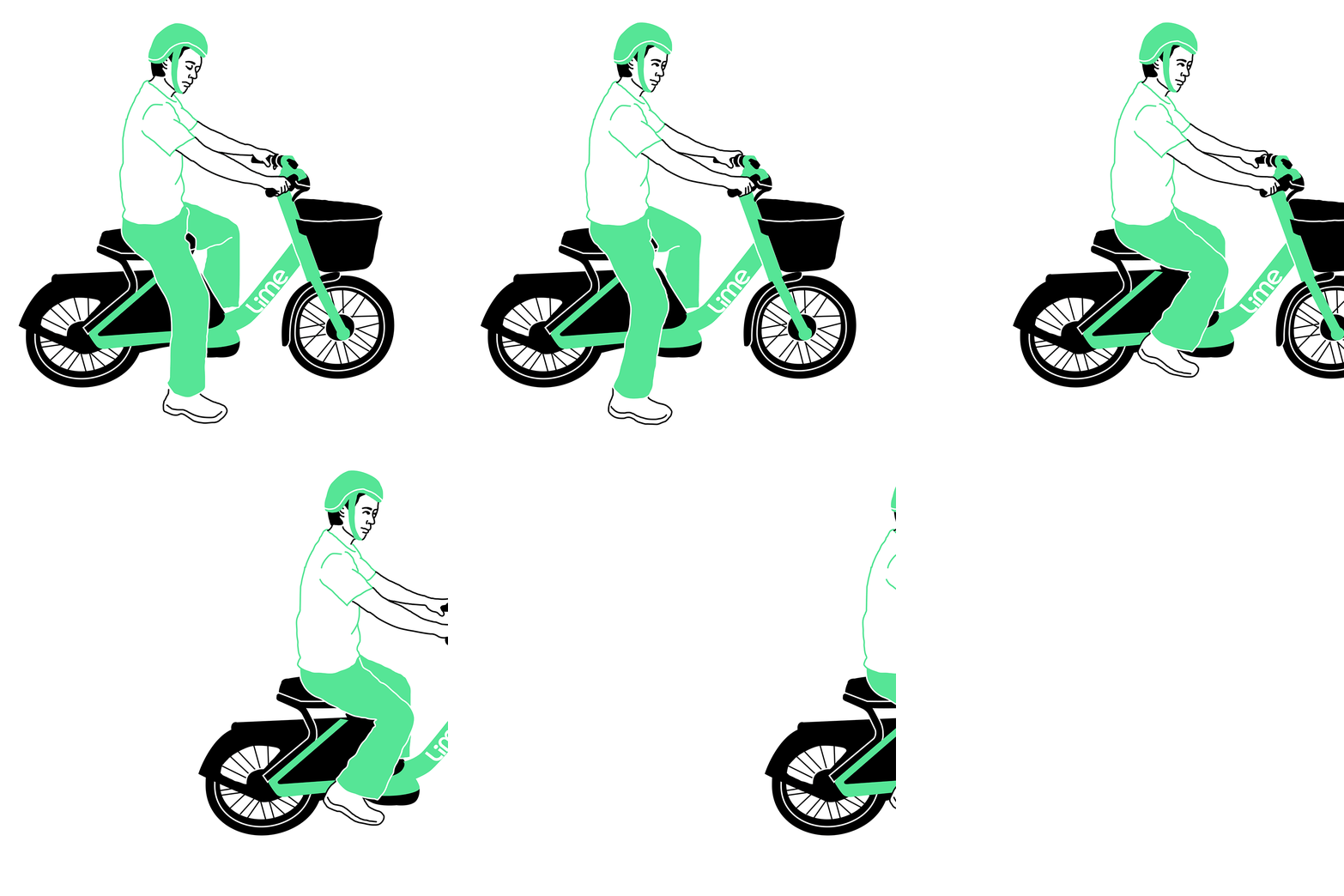
Finding the right visual language
Exploration 1: Corporate Memphis
Initial explorations used a contemporary tech illustration style with stylized proportions and simplified shapes. While visually modern, the exaggerated proportions made physical actions harder to imitate.
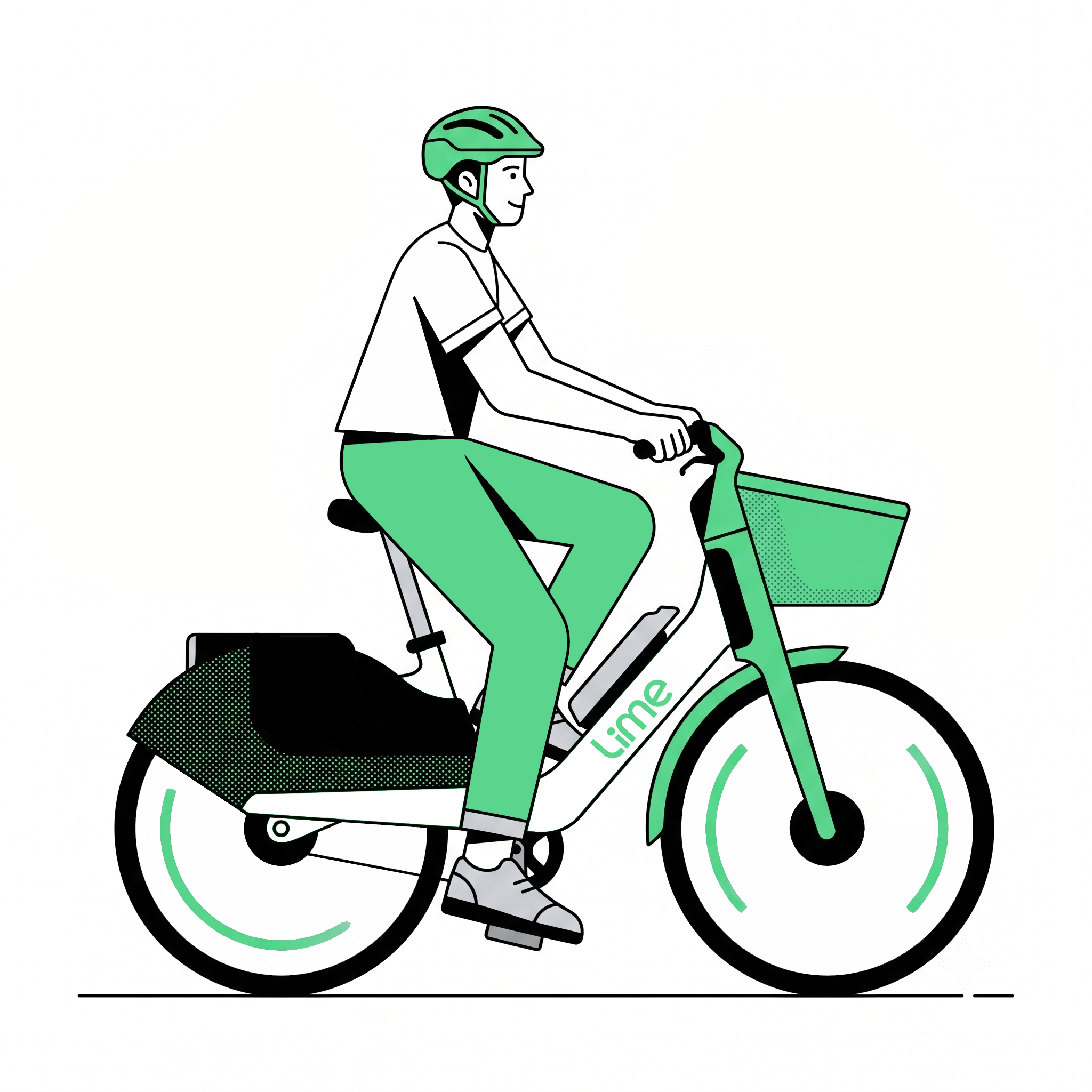
Exploration 2: Realistic illustration
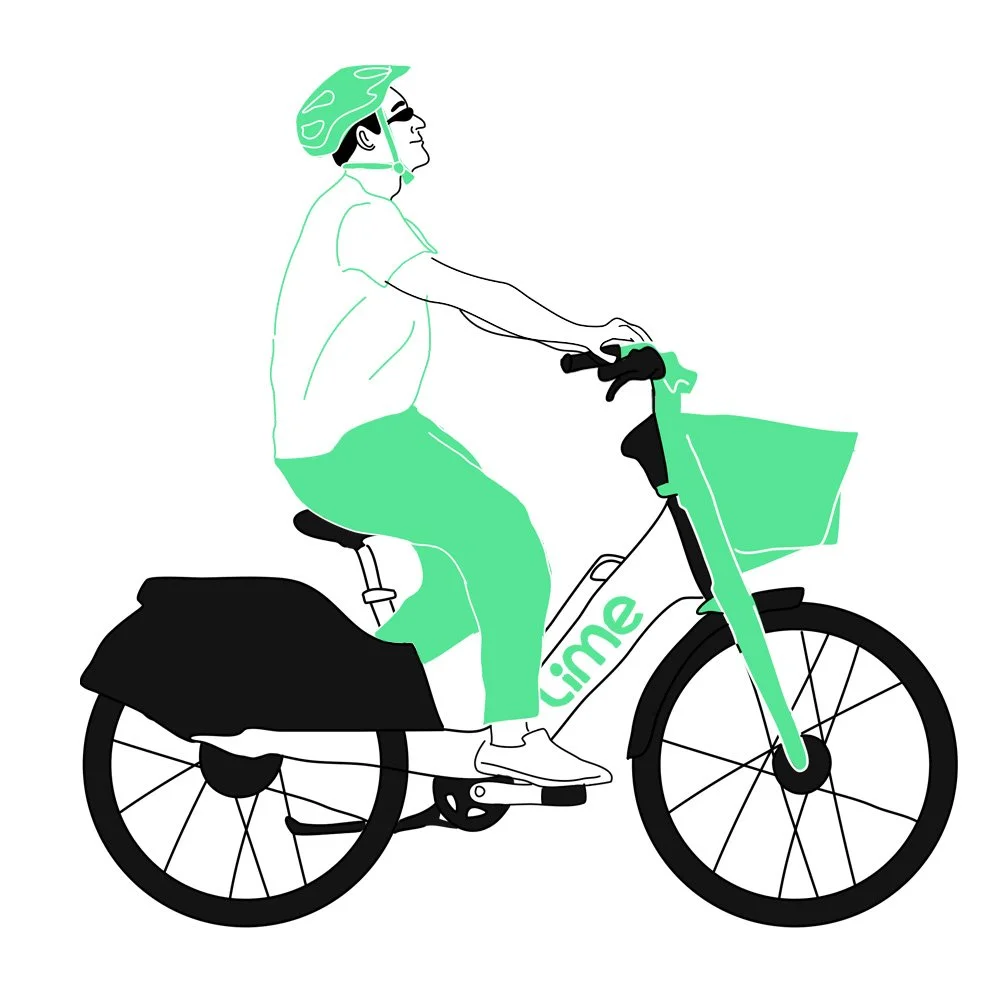
User testing revealed riders were better able to understand and replicate riding behaviors when the illustrations reflected realistic human proportions and body positioning. The final illustration system prioritized:
Realistic proportions
Accurate body positioning
Clear riding posture
Building an educational animation system
-
1. Realistic movement
Actions mirrored real rider behavior.
-
2. One concept per animation
Each animation focused on a single lesson.
-
3. Fast comprehension
Animations needed to communicate within seconds.
-
4. Universal understanding
Animations reduced dependence on language and translated effectively across markets.
-

Realistic movement
Actions mirrored real rider behavior.
-
One concept per animation
Each animation focused on a single lesson.
-
Fast comprehension
Animations needed to communicate within seconds.
-
Universal understanding
Animations reduced dependence on language and translated effectively across markets.
Animation gallery
Starting the ride
-
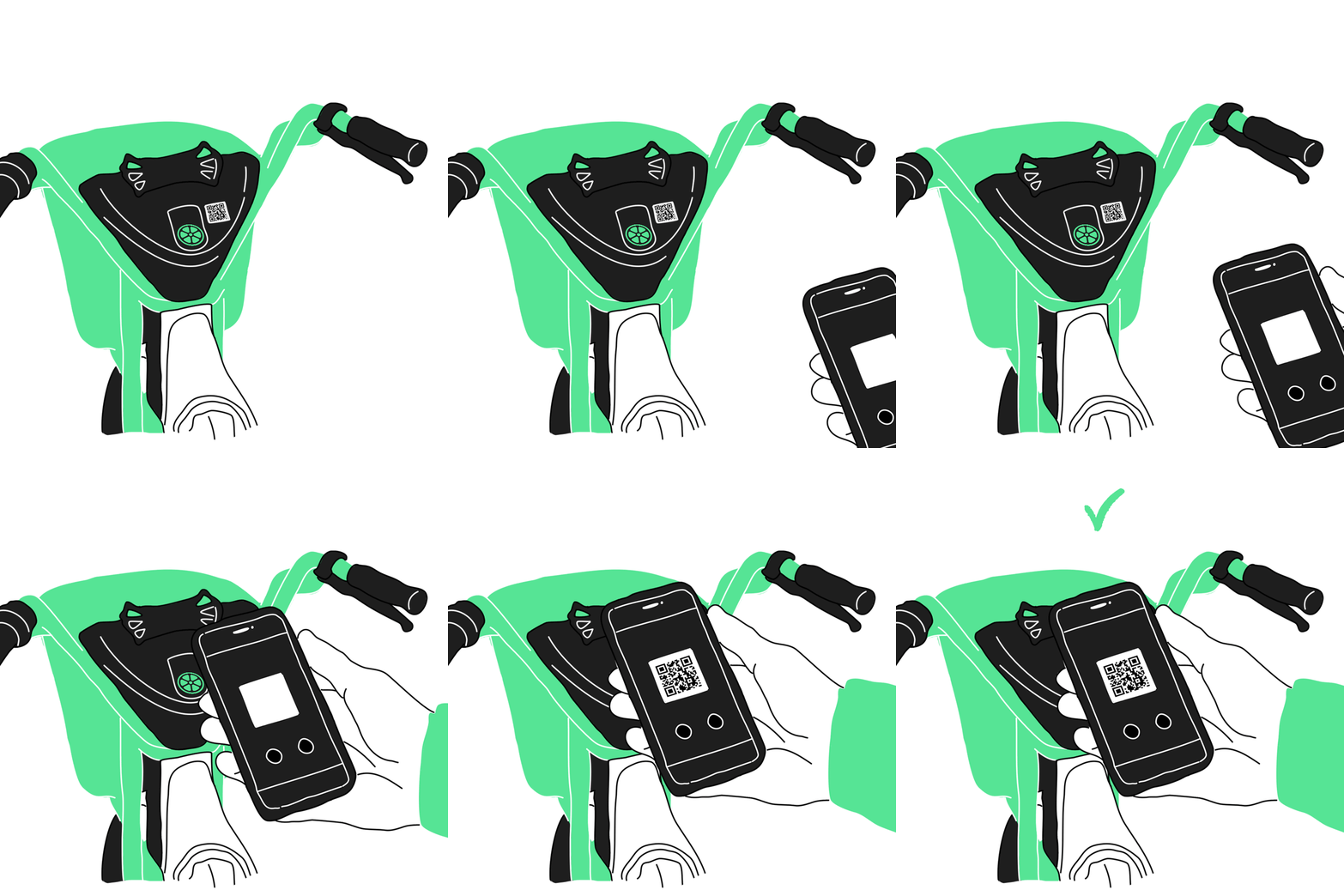
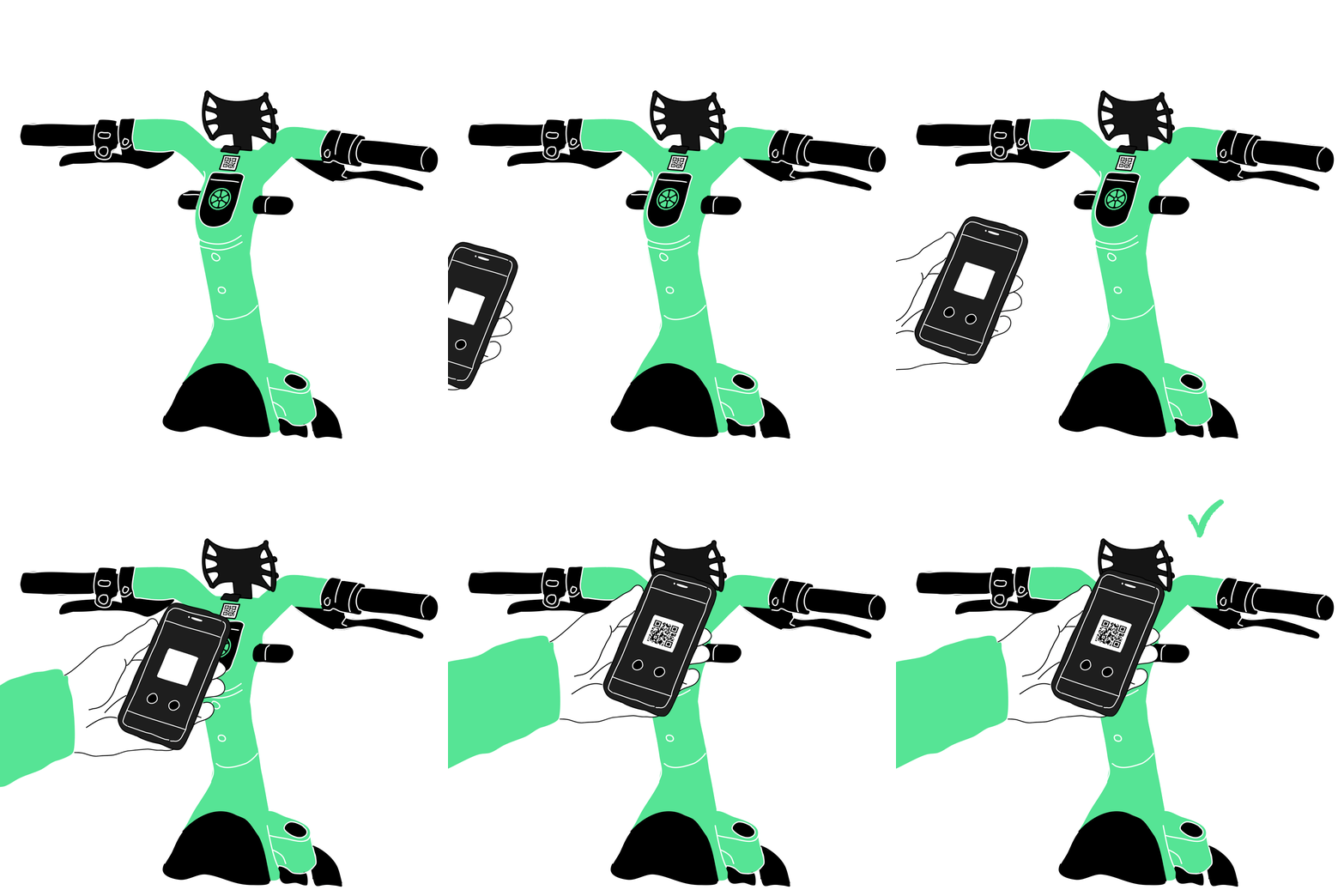
Scanning the vehicle's QR code with your app to start ride
The digital activation step.
-
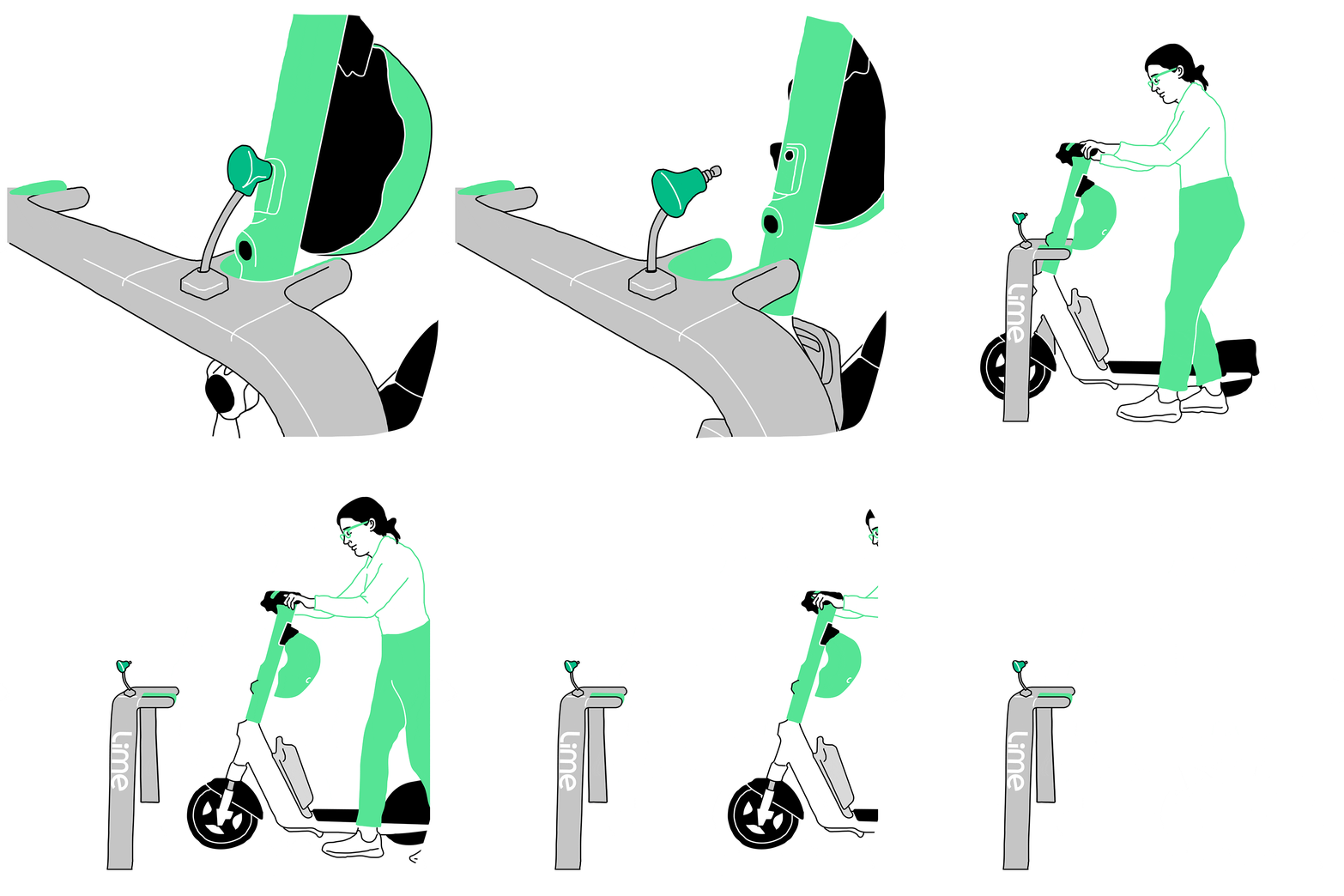
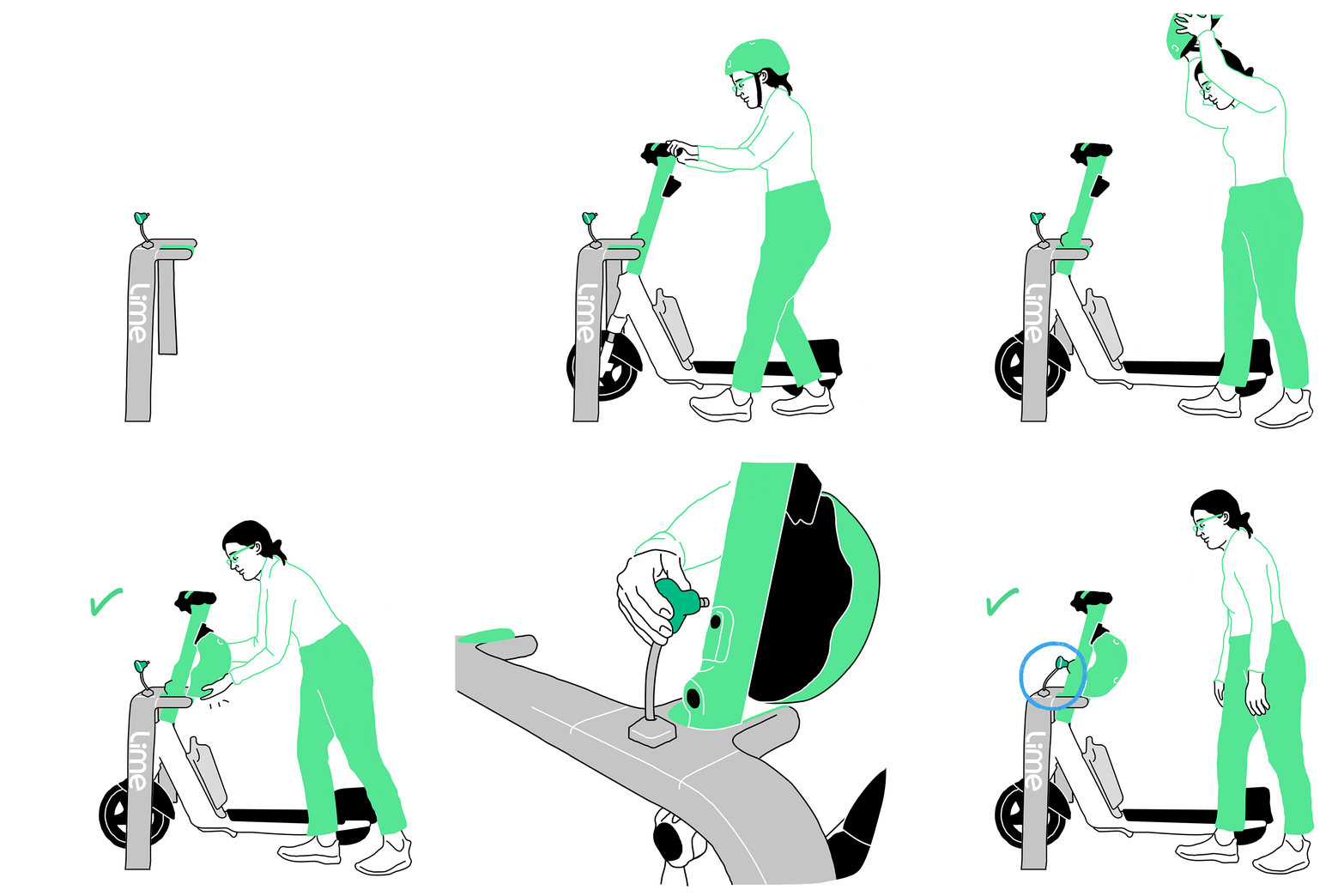
Removing vehicle from dock
Unlocking a docked vehicle.
-
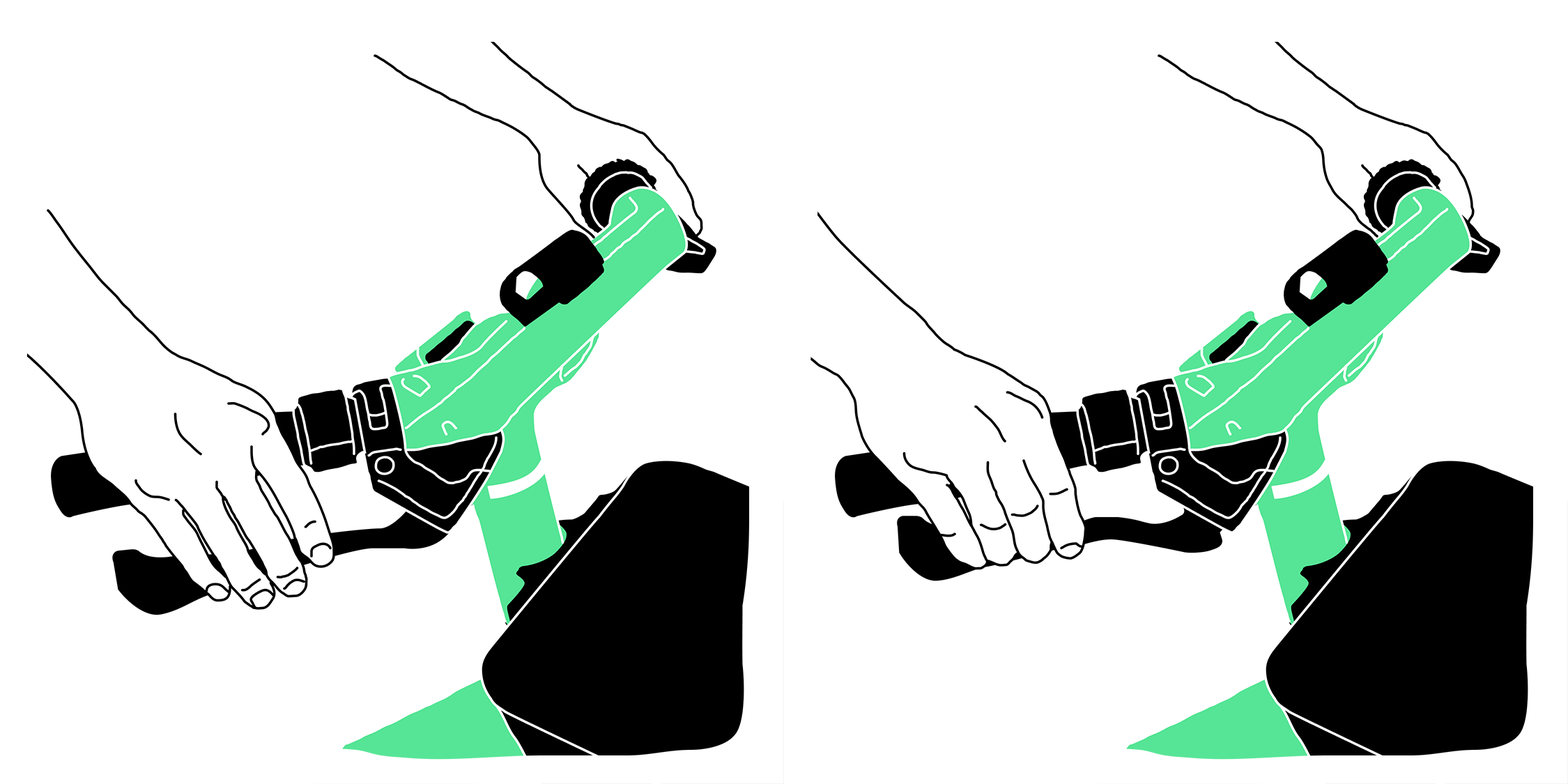
Testing handlebars
A pre-ride safety and maintenance check.
Setting up the vehicle
-
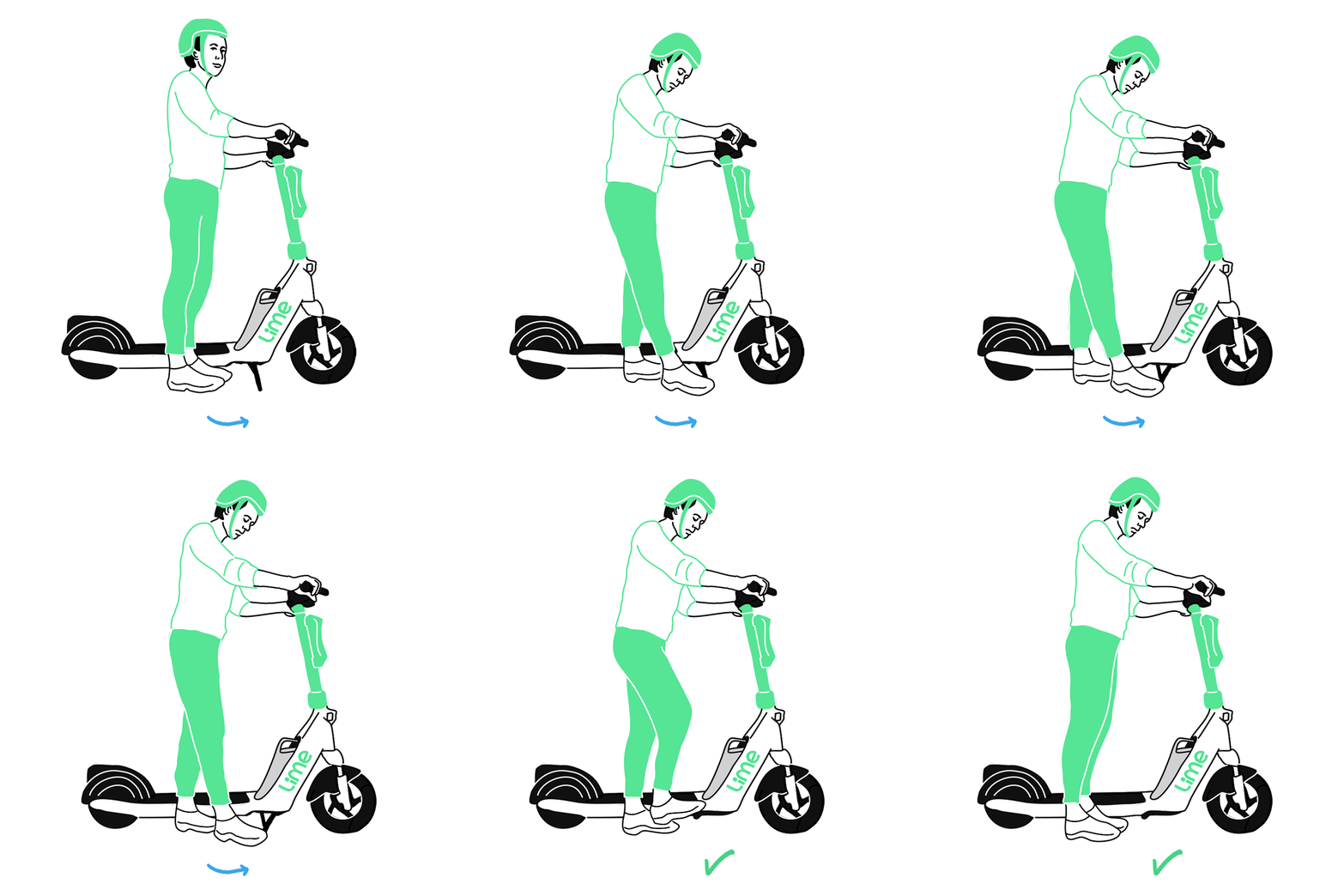
Putting up kickstand (e-scooter)
Transitioning a scooter into active mode.
-
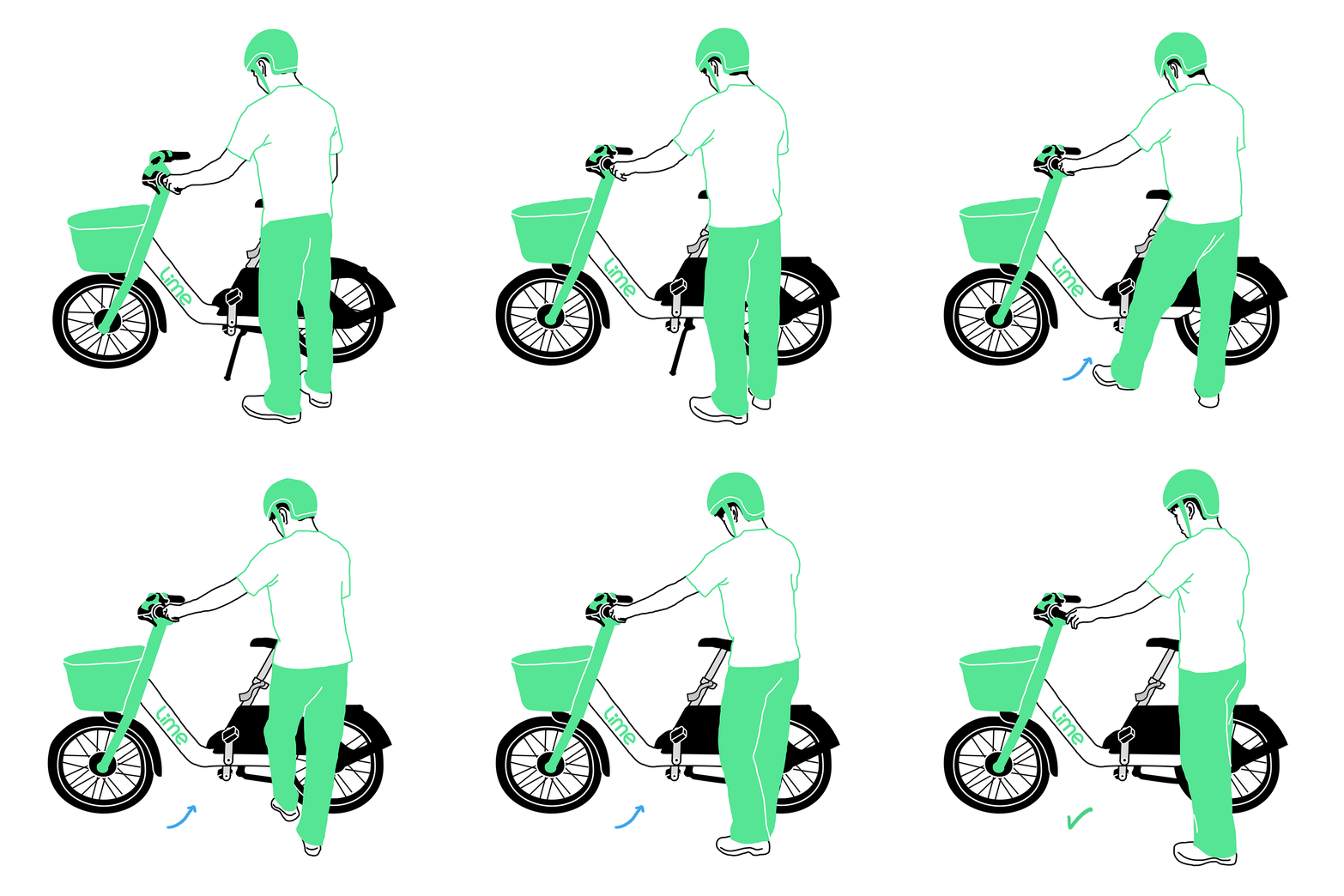
Putting up kickstand (LimeBike)
Transitioning a bike into active mode.
-
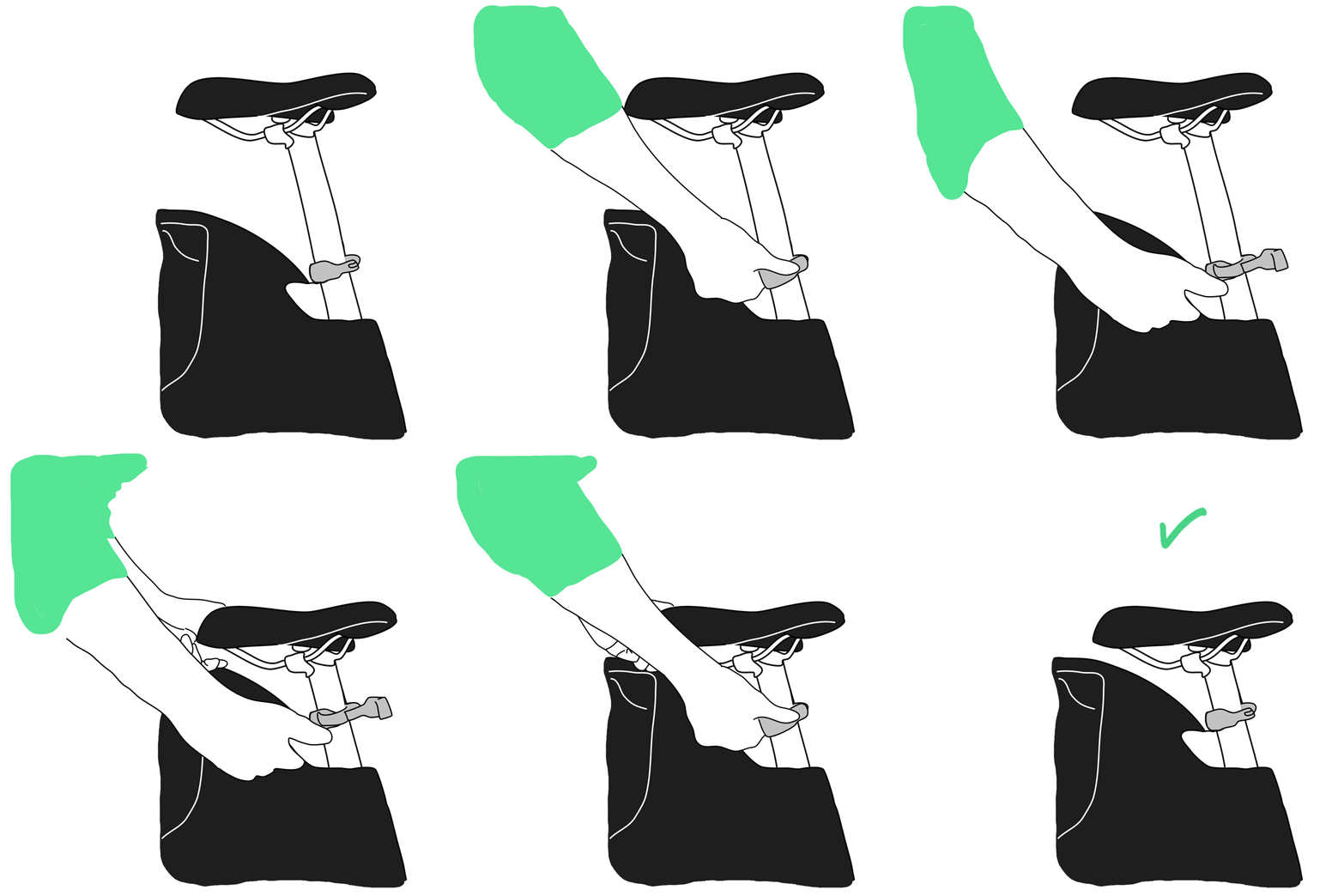
Adjusting the vehicle’s seat height
Personalizing the ride for comfort and safety.
Riding & cargo
-
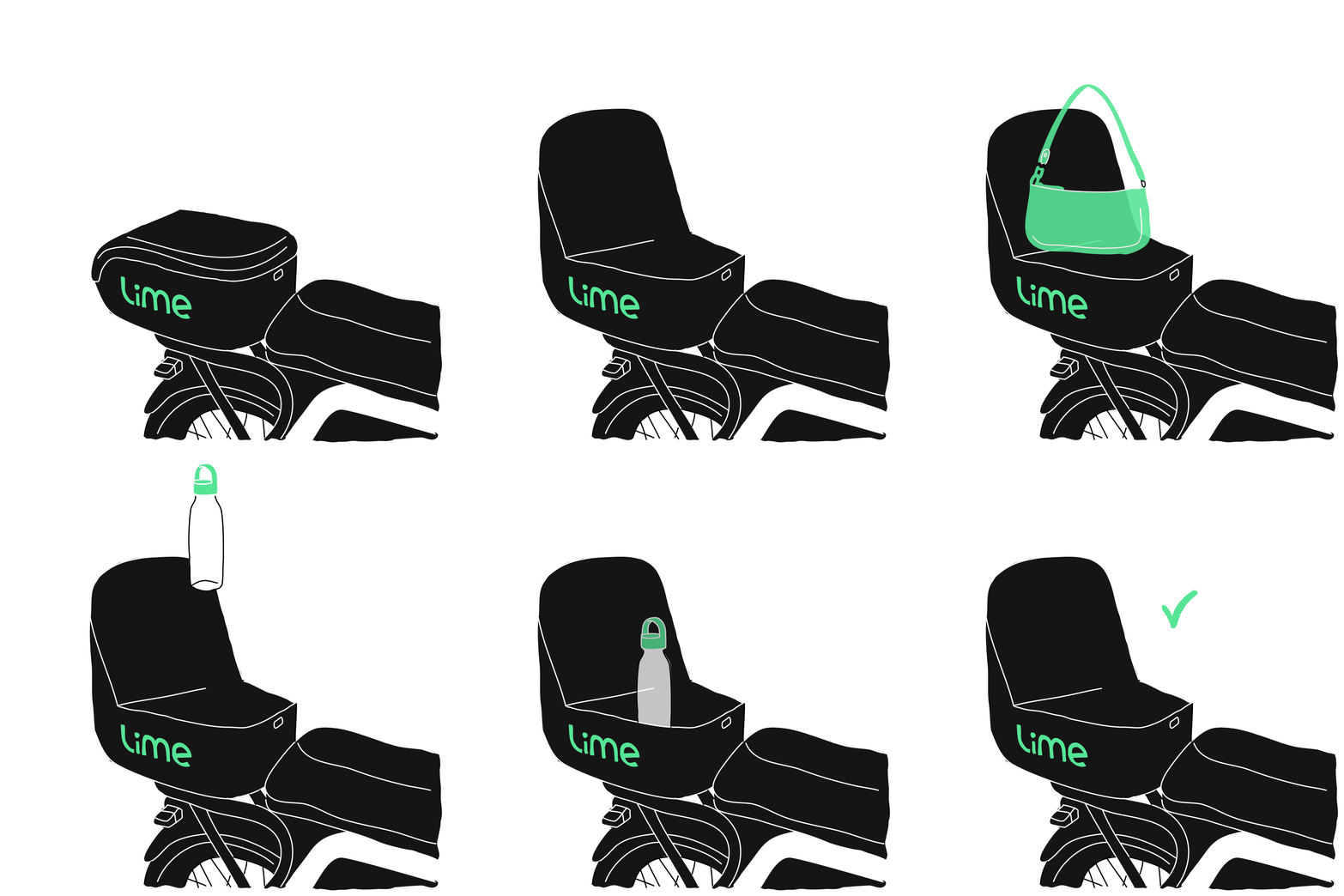
Bike storage
Utilizing the vehicle's cargo features safely.
-
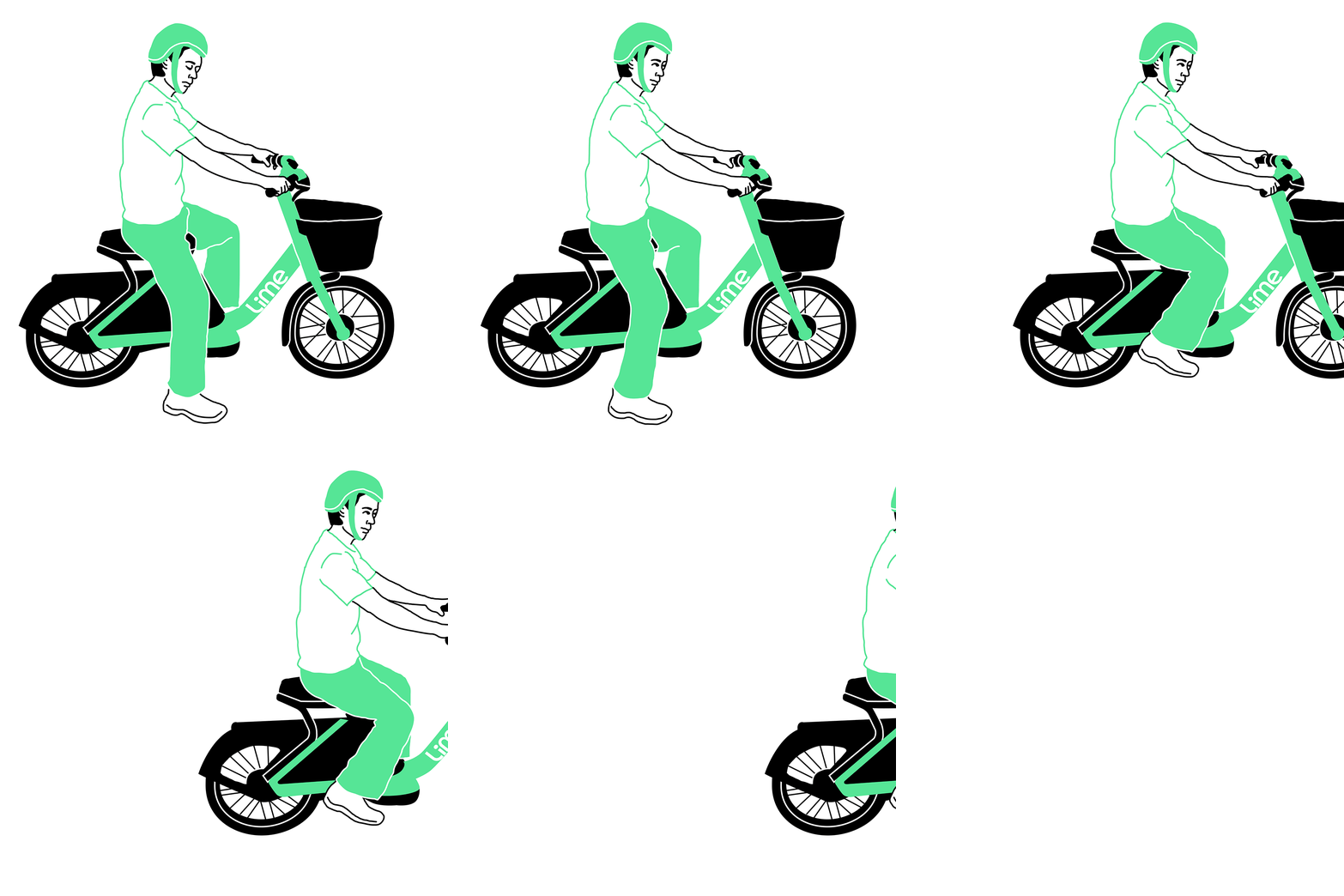
Pushing off the vehicle with your feet to start riding
The physical motion required to engage the motor.
-
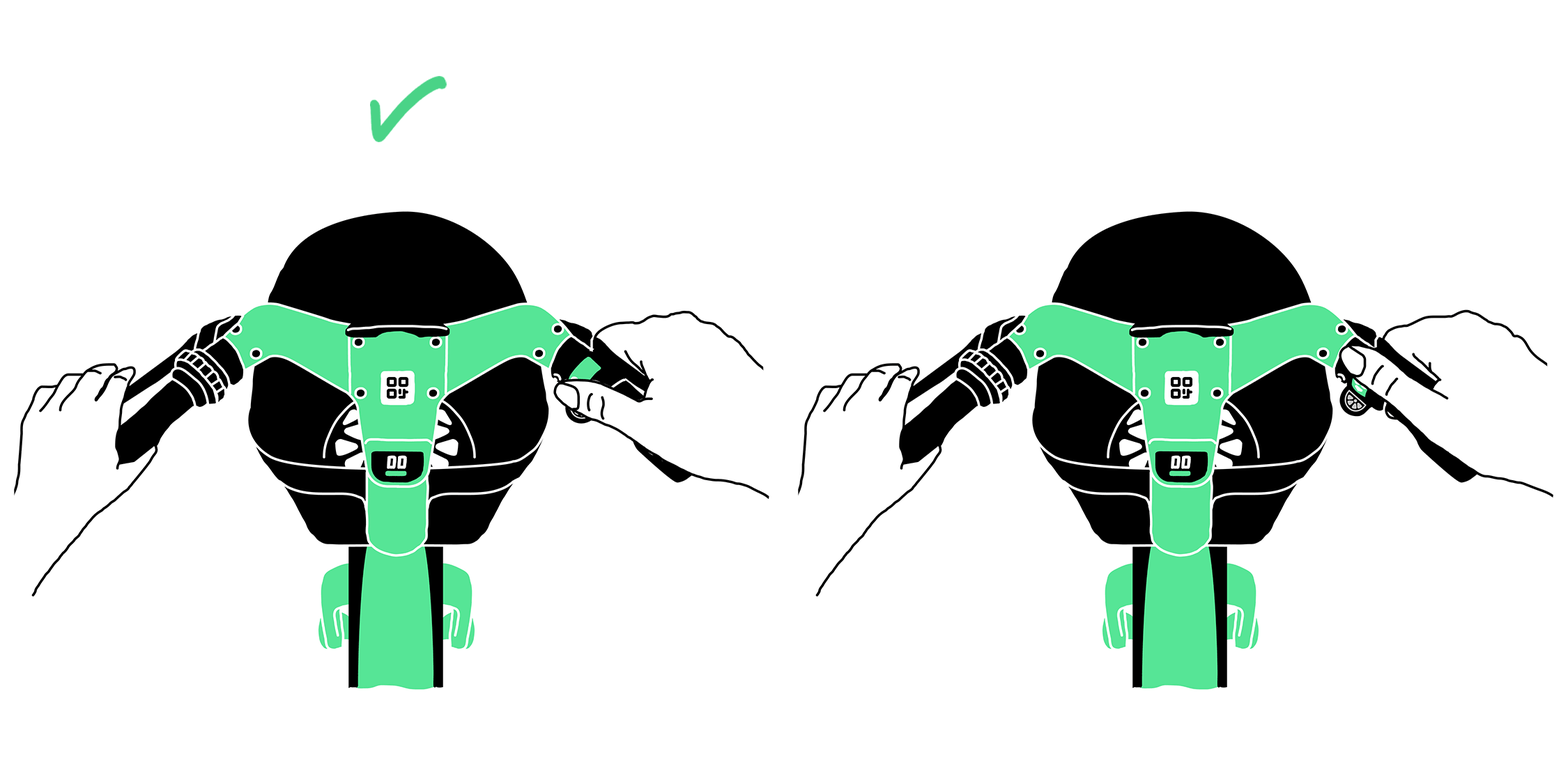
Locating and pressing the throttle
How to find the accelerator and engage the motor once moving.
Ending the ride
-
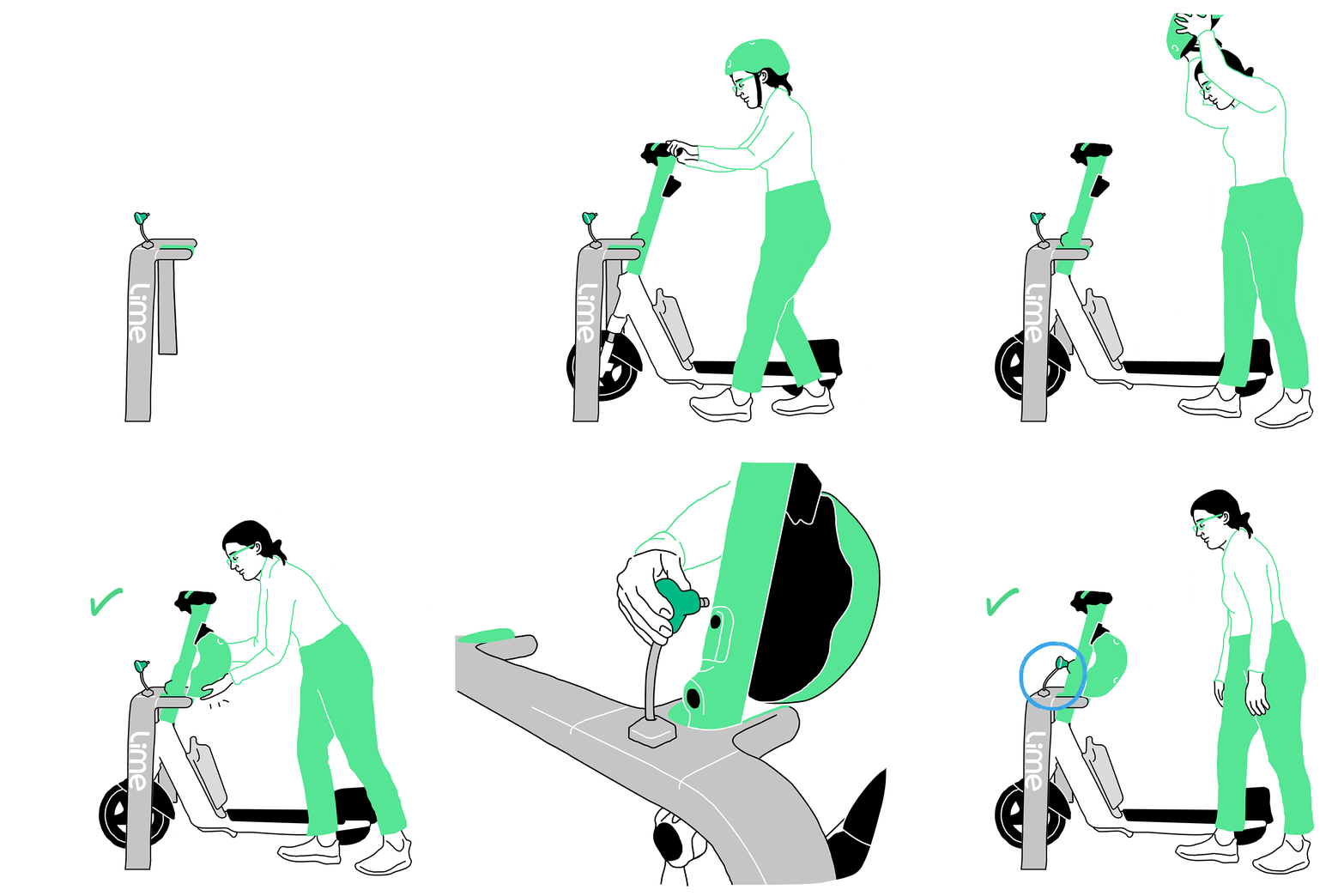
Putting vehicle back to dock
Locking the vehicle & helmet back up properly.
-
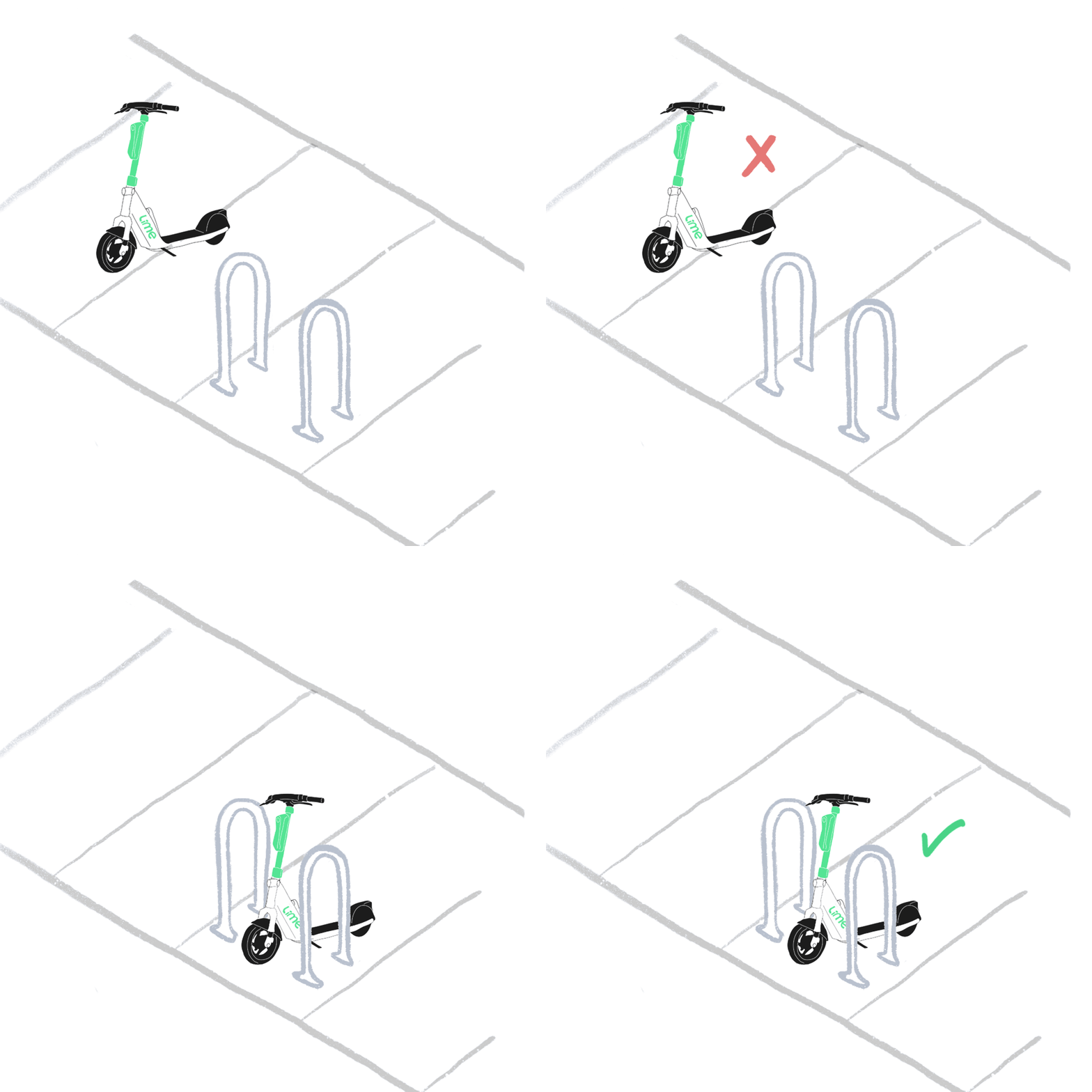
Parking scooters in designated bike racks
Proper scooter parking etiquette to keep sidewalks clear for pedestrians.
-
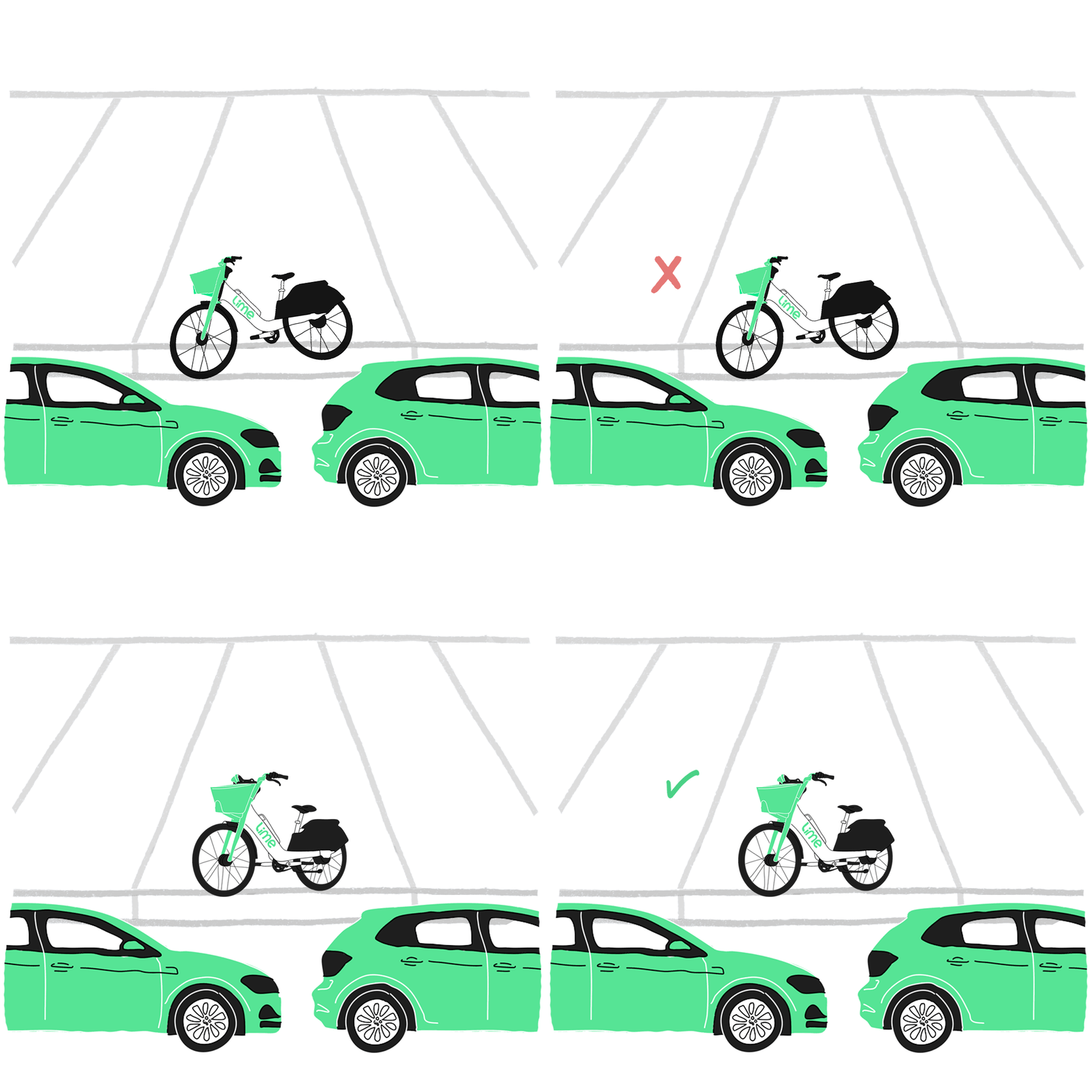
Parking e-bikes parallel to the sidewalk curb
Ensuring e-bikes are parked upright and parallel to the curb so they don’t obstruct traffic.
In product
Outcomes
How to Ride launched as part of Lime's broader safety and rider education initiatives.
During this period:
-
22% reduction in reported scooter-related injuries
-
99.993% of rides completed incident-free the following year
Reflection
This project taught me that educational content is most effective when users can see themselves in it.
By combining realistic illustration with frame-by-frame animation, we transformed safety guidance into an engaging learning experience that helped riders build confidence before their first trip.